


Vehicle-Mounted Winch Training: Who Needs It and What Does Professional Recovery Training Cover?

Vehicle-mounted winch training is one of the most overlooked parts of off-road safety. Many teams know how to drive a 4x4, but far fewer understand how to plan and carry out a safe recovery when a vehicle loses traction, becomes stranded or needs controlled assistance in difficult ground conditions.
For employers, site managers and operators, that gap matters. A winch can be an extremely useful recovery tool, but only when it is used correctly, with the right equipment, clear communication and proper judgement. At All Terrain Services Limited, we provide practical off-road training designed around real working environments, helping teams build competence, confidence and safer operating habits.
If you are comparing providers, this guide explains who typically needs vehicle-mounted winch training, what a professional recovery course should cover and why formal instruction is a sensible investment for anyone using winches at work.
What is vehicle-mounted winch training?
Vehicle-mounted winch training is structured instruction in the safe use of recovery winches fitted to 4x4s and other off-road vehicles. It goes far beyond showing someone how to press a switch or spool out cable.
A proper course should teach delegates how to assess a situation, set up a safe recovery, use the correct accessories, control hazards around the recovery area and operate the equipment in a measured, supervised way.
In practice, that means learning how to combine vehicle knowledge, recovery planning and safe working procedures, rather than relying on guesswork or copying what someone has seen online.
Who needs vehicle-mounted winch training?
If a member of staff may be asked to recover a vehicle, assist another vehicle or use a winch in remote or difficult terrain, formal training should be taken seriously. For many organisations, it forms part of demonstrating competence, reducing risk and supporting employer duties under workplace health and safety arrangements.
Employers operating 4x4s and off-road support vehicles
Any organisation running 4x4s in challenging terrain should consider whether winch use is part of normal operations or foreseeable emergencies. If the answer is yes, operators need more than general driving experience.
This commonly applies where vehicles are used to access:
Remote sites
Muddy tracks and soft ground
Steep gradients
Construction or quarry environments
Rural estates, farmland and woodland
Coastal, environmental or maintenance locations
Industries where winch use is especially relevant
Vehicle-mounted winch training is particularly relevant for organisations in sectors such as:
Utilities and infrastructure where staff need to reach remote assets in all weather conditions
Construction and groundworks where access routes can deteriorate quickly
Forestry, estates and land management where vehicles regularly work on soft, uneven or obstructed ground
Agriculture where recovery may be needed in fields, tracks and difficult seasonal conditions
Emergency support and response teams operating away from surfaced roads
Local authority and environmental teams working on beaches, parks, tracks and remote access routes
Operators using winches only occasionally
One of the biggest mistakes we see is assuming that occasional use means training is less important. In reality, infrequent use often increases risk because people are less familiar with the equipment, less confident in setup and more likely to rush decisions under pressure.
If the winch is there to be used when something goes wrong, that is exactly why professional instruction matters.
What does professional recovery training cover?
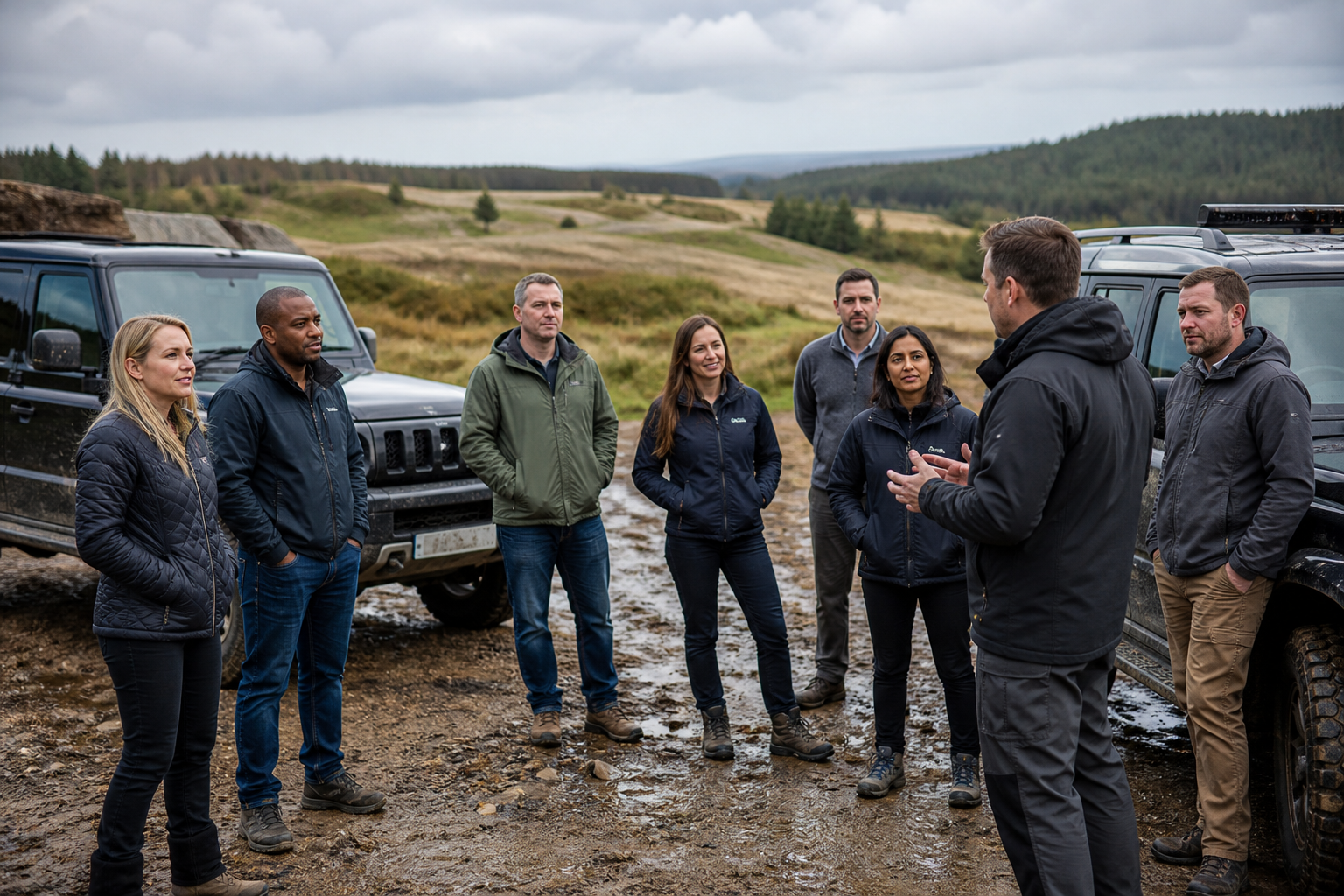
A good recovery course should combine explanation, demonstration and supervised practical use. It should also reflect the type of vehicle, winch system, terrain and operating risks your team actually deals with.
1. Pre-use checks and equipment knowledge
Before any recovery begins, delegates need to understand the equipment in front of them. That normally includes:
How the winch system works
The basic components and controls
Safe pre-use inspection routines
Identifying damage, wear or obvious defects
Understanding line condition, mounting points and accessories
Knowing the limitations of the vehicle and the recovery setup
This stage is important because many recovery problems start long before the pull begins.
2. Recovery planning and risk assessment
Professional recovery training should teach people to stop, assess and plan. That includes thinking through:
Why the vehicle is stuck or immobilised
Ground conditions and changing traction
Direction of pull
Suitable anchor points
Potential hazards to people, vehicles and equipment
Whether winching is the right solution at all
Not every situation should lead to an immediate recovery attempt. Sometimes the safest decision is to change the plan, reposition the vehicle or bring in different support.
3. Safe rigging and use of recovery accessories
This is where training becomes particularly valuable. Delegates should learn how to set up the recovery properly, rather than improvising. Depending on the course and equipment, that may include:
Correct use of recovery points
Selection and safe handling of strops and shackles
Line routing and controlled setup
Protecting equipment from unnecessary damage
Maintaining a safe recovery zone around the vehicle
Using accessories in a way that supports controlled recovery, not forceful guesswork
Proper rigging is not about speed. It is about reducing unnecessary risk before load is applied.
4. Communication, team roles and exclusion zones
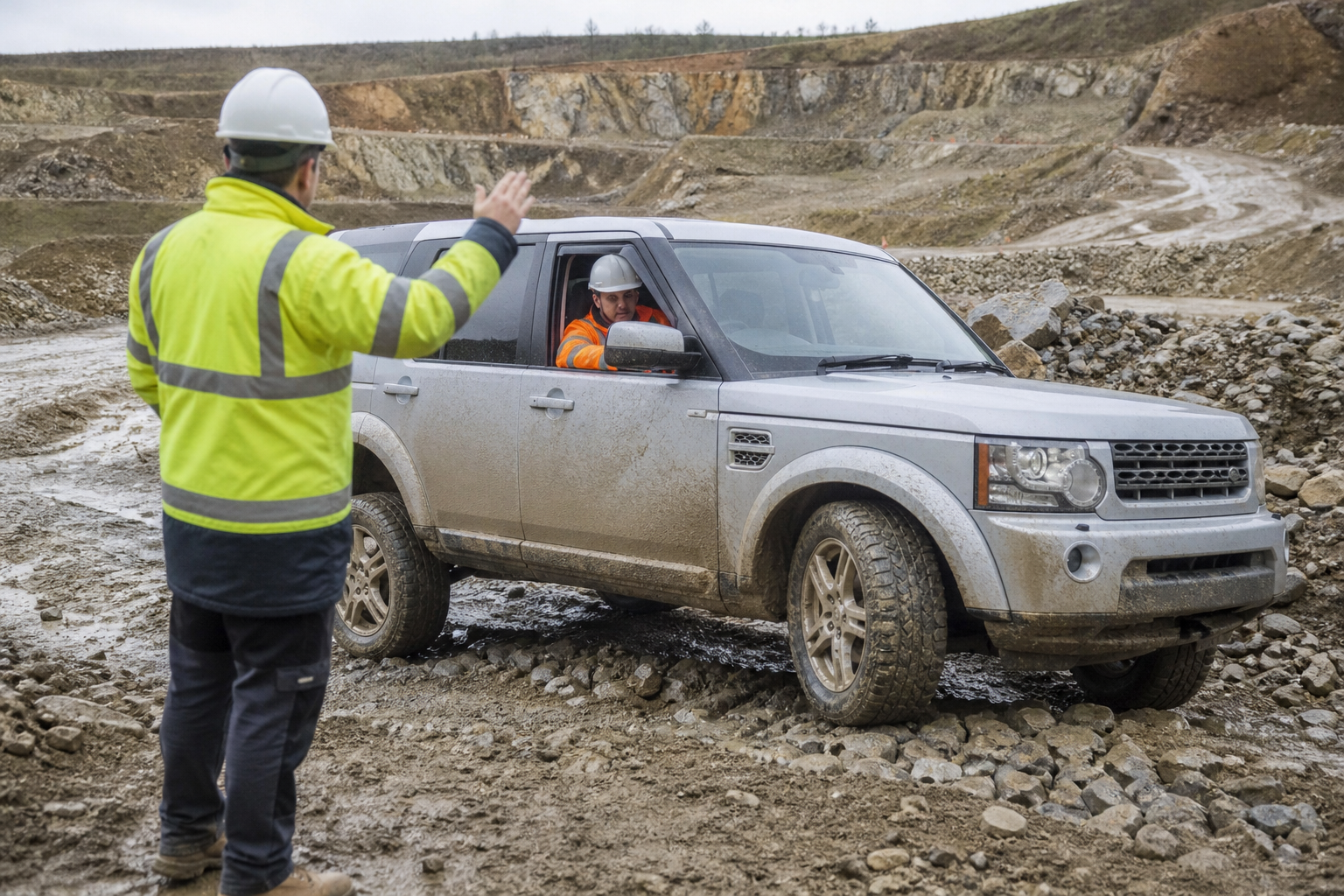
Winch recoveries are rarely a one-person issue. Even where only one operator controls the winch, others may be spotting, supervising or assisting nearby.
That is why professional vehicle-mounted winch training should cover:
Clear communication between team members
Who is in charge of the recovery
Where people should and should not stand
How to keep unnecessary personnel out of the danger area
When to stop the operation and reassess
Good communication is often what separates a controlled recovery from a risky one.
5. Practical winching and recovery scenarios
Delegates should not leave with theory alone. Practical instruction is essential, because recovery work is about judgement, control and repetition.
Hands-on training may include:
Controlled setup and operation of the winch
Self-recovery and assisted recovery principles
Vehicle positioning before a pull
Managing steady, controlled movement
Recognising when recovery is progressing safely and when it is not
Adapting to terrain and changing conditions
Where appropriate, we recommend training in the actual vehicles and PPE your team uses day to day, so the learning is directly relevant to the work environment.
6. Post-use checks and equipment care
A professional course should also cover what happens after the recovery. That includes checking equipment, identifying possible damage, storing accessories correctly and making sure the vehicle is ready for future use.
This part is often ignored, but it matters for safety, equipment life and future reliability.
Why informal experience is not enough
It is common to hear that someone has “used a winch before”, but that does not always mean they have been trained to a safe and consistent standard. Informal experience can leave serious gaps in knowledge, especially around risk assessment, safe rigging, communication and decision-making under pressure.
Common problems include:
Choosing poor recovery angles
Using unsuitable attachment points
Allowing people to stand too close
Rushing the setup to save time
Not recognising when a different recovery method is needed
Confusing confidence with competence
For employers, that creates avoidable exposure to injury, vehicle damage, downtime and poor incident prevention. Structured training helps replace assumption with a clear, repeatable process.
What to look for in a winch training provider
If you are shortlisting training providers, look for more than a generic off-road course. Winch instruction should be practical, relevant and delivered by people who understand how recovery work fits into wider vehicle safety.
Key points to check
Can the training be tailored to your vehicles and your operating environment?
Is the course practical, not just theory-led?
Can the provider train beginners as well as experienced staff?
Can training be delivered at a regional venue or on your own site?
Will the course focus on safe procedures, not just equipment operation?
At All Terrain Services Limited, we have been delivering professional off-road training since 1995. From our Grantham base and regional training venues, we support organisations that need realistic, work-focused instruction. If you are reviewing options, you can explore our vehicle-mounted winch training courses and broader off-road services online.
We also provide off-road driver training for teams that need stronger vehicle handling, terrain assessment and recovery awareness alongside winch use.
Can winch training be combined with 4x4 or off-road driver training?
Yes, and for many employers it makes good operational sense. Drivers who may need to recover a vehicle also need to understand how the vehicle behaves before it gets stuck, how to read terrain properly and how to avoid preventable recovery situations in the first place.
Combining modules can be especially useful when:
You are onboarding new drivers
You have introduced a new vehicle to the fleet
Teams work in remote or weather-affected locations
You want a more complete training plan for off-road operations
You need a course that reflects your actual work tasks
We can discuss training courses delivered at regional venues or your site, depending on the needs of your team, vehicles and operating environment.
FAQs about vehicle-mounted winch training
Do I need vehicle-mounted winch training if I already drive a 4x4?
Usually, yes. Off-road driving and winch recovery are related, but they are not the same skill. A capable 4x4 driver may still need formal instruction in recovery planning, safe rigging, communication and controlled winch operation.
Is vehicle-mounted winch training suitable for beginners?
Yes. A professional course should be suitable for beginners as well as operators who have some practical experience but want a more structured and safer approach. Training should be delivered progressively, with clear supervision.
Can we use our own vehicles on the course?
Often, yes. In many cases, training in your own vehicles is the best option because it makes the learning directly relevant to the equipment your team uses at work. This can also help delegates understand the specific capabilities and limitations of their own setup.
How long does a winch training course take?
That depends on delegate numbers, existing experience, the type of vehicle and whether the course is delivered as a stand-alone module or combined with wider off-road driver training. The best approach is to discuss your requirements so the course can be matched to the real task.
Can winch training help with safer workplace procedures?
Yes. Good training supports better planning, clearer communication and more consistent recovery procedures. For employers, that can help strengthen competence, reduce avoidable mistakes and support safer use of work equipment.
Request course details from All Terrain Services Limited
If your staff may need to recover vehicles, work in difficult terrain or operate a winch as part of normal duties, professional training is worth putting in place before an incident exposes a gap in competence.
Contact All Terrain Services Limited to request details of our winch training courses or ask about combining winch instruction with 4x4 or off-road driver training. Call us on 01792 862669 or visit www.allterrainservices.co.uk to discuss the right course for your vehicles, site conditions and working risks.

Comments